New South Wales is set for a major transformation in public transport, with the NSW Government announcing a multi-million dollar upgrade to the Opal ticketing system, aimed at improving reliability, affordability and everyday commuter experience.
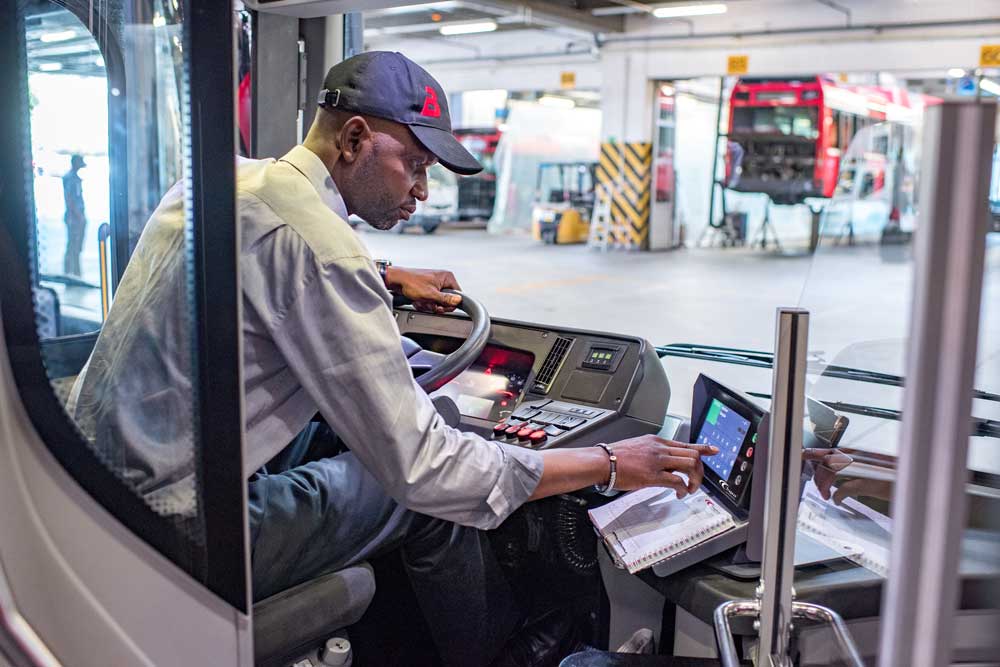
The overhaul, known as Opal 2.0, represents the biggest change to the system since its introduction more than a decade ago, with a total investment of $820 million.
A Smarter, More Connected Travel Experience
At the heart of the upgrade is a new Opal app, digital Opal cards and improved real-time tracking, designed to make commuting simpler and more predictable for millions of passengers.

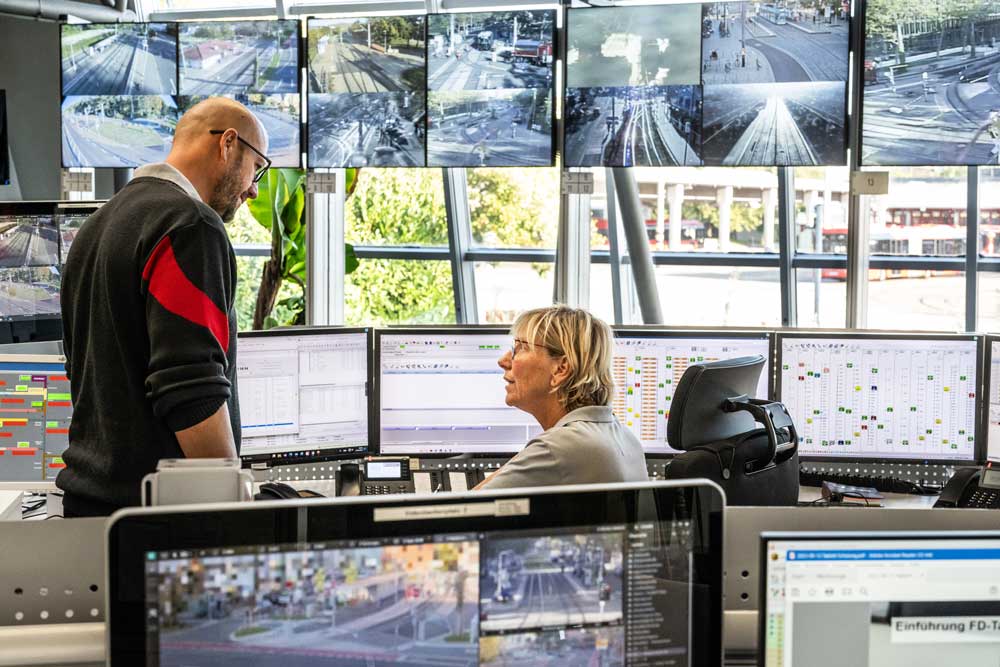
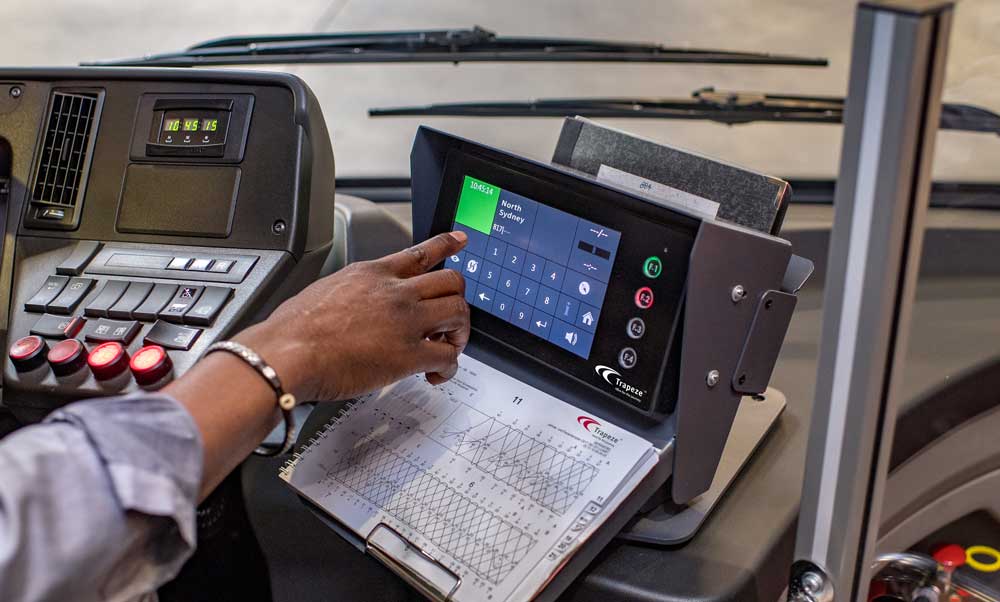
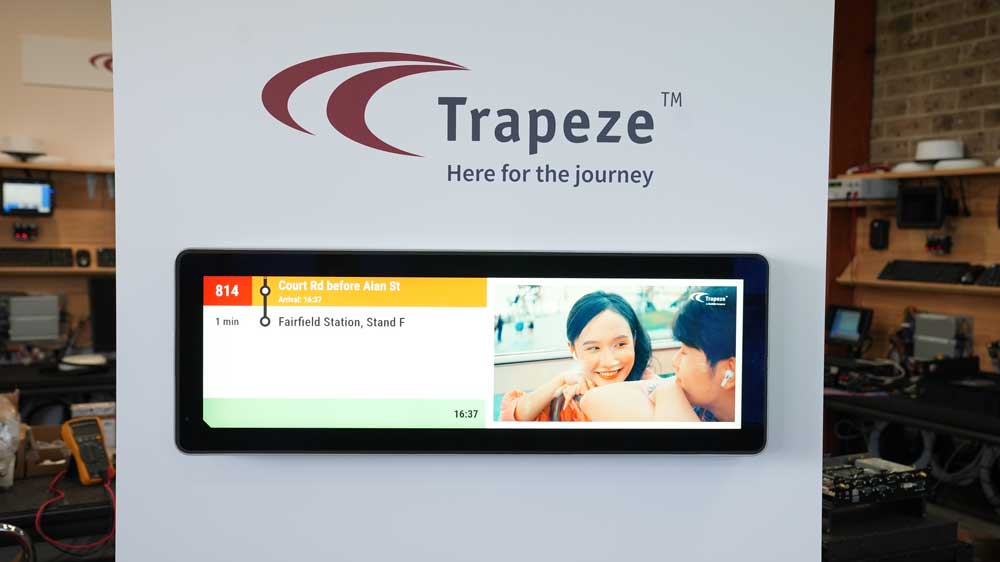
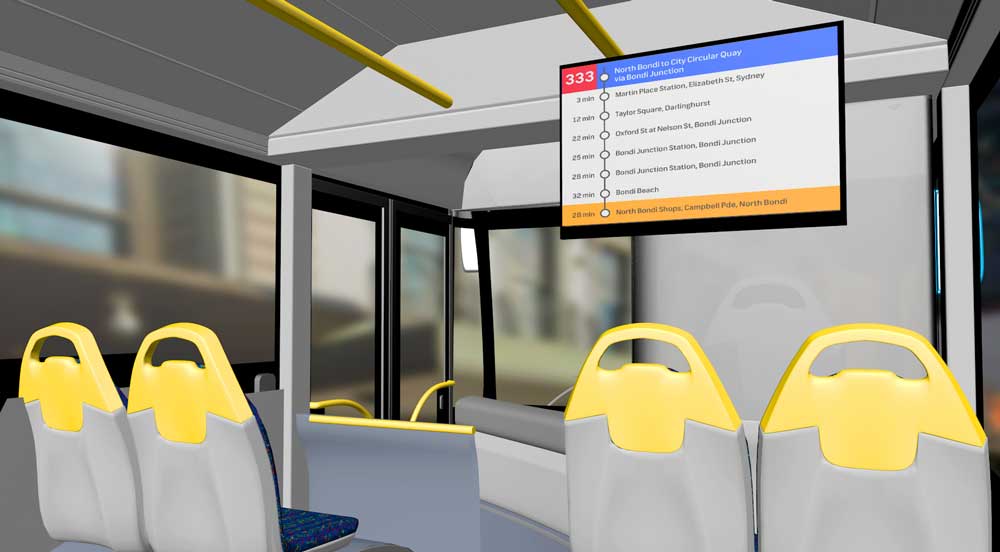
For the first time, 5,000 buses will be fitted with digital information screens, providing live updates on upcoming stops, destinations and onboard announcements.
Commuters waiting at bus stops will also benefit from more accurate service updates, helping to eliminate the long-standing frustration of “ghost buses” – services that appear in apps but fail to arrive.
More Savings and Flexible Payment Options
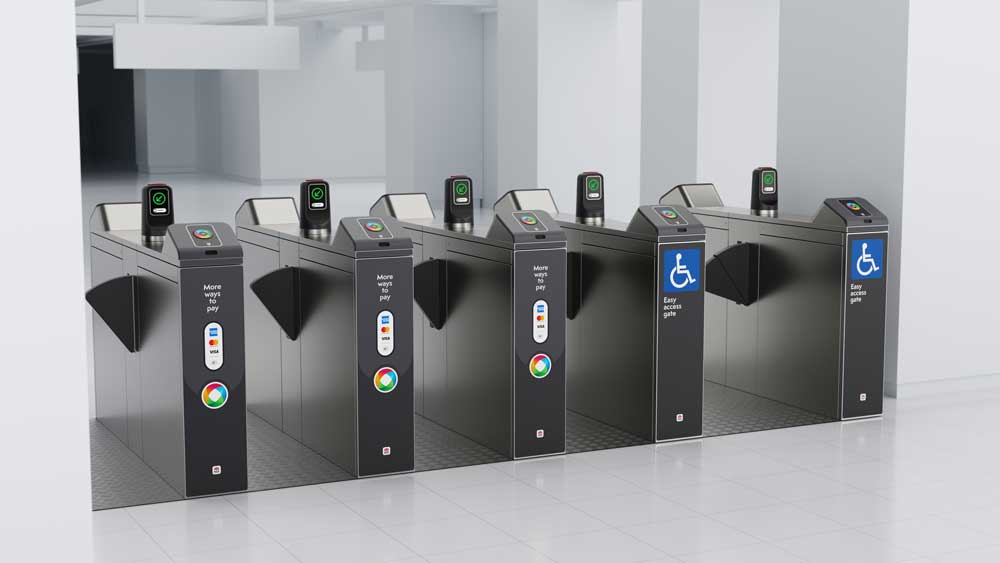
The upgrade will also make it easier for passengers to access discounted fares. Nearly one million concession, pensioner and senior travellers will soon be able to use contactless payment on their devices while still receiving fare benefits.
Fare caps will remain in place, ensuring affordability:

- Adults: $50 weekly cap
- Concessions and youth: $25 weekly cap
- Seniors and pensioners: $2.50 daily cap
In addition, fares will be 30% cheaper on Fridays, weekends, public holidays and outside peak hours, encouraging more flexible travel.
New Features Designed for Commuters
The Opal 2.0 system introduces a range of passenger-focused improvements aimed at convenience and transparency. These include automatic fare corrections if overcharged, personalised travel notifications and the ability to check how crowded a service will be before boarding.

Passengers will also be able to scan event tickets directly at Opal readers for free transport, further integrating ticketing with major events across the state.
Infrastructure and Rollout Timeline
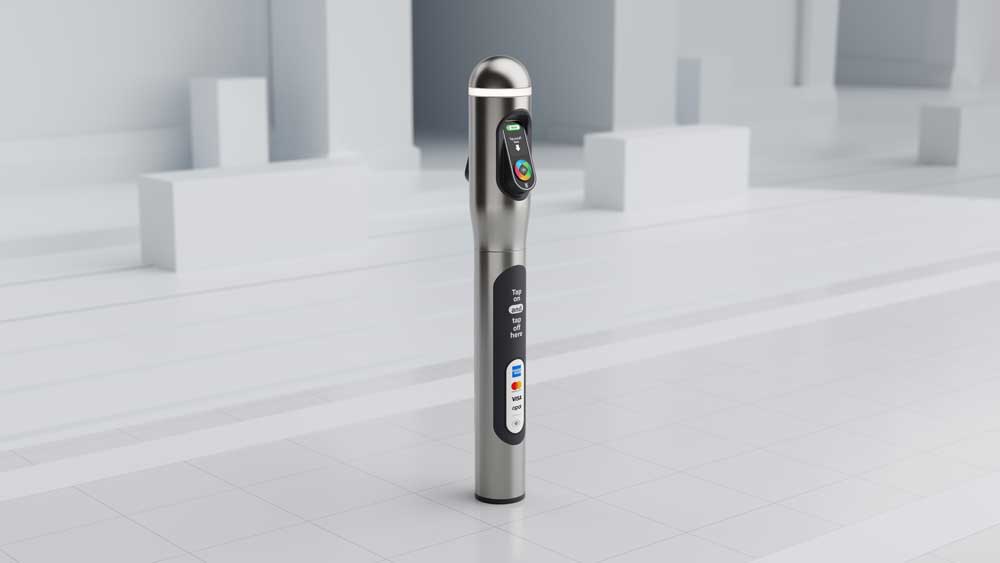
As part of the upgrade, 25,000 new Opal readers will be installed across trains, metro, buses, ferries and light rail, replacing ageing infrastructure that has reached the end of its lifecycle.
Development will continue throughout 2026, with installation beginning in 2027 and full completion expected by 2028.
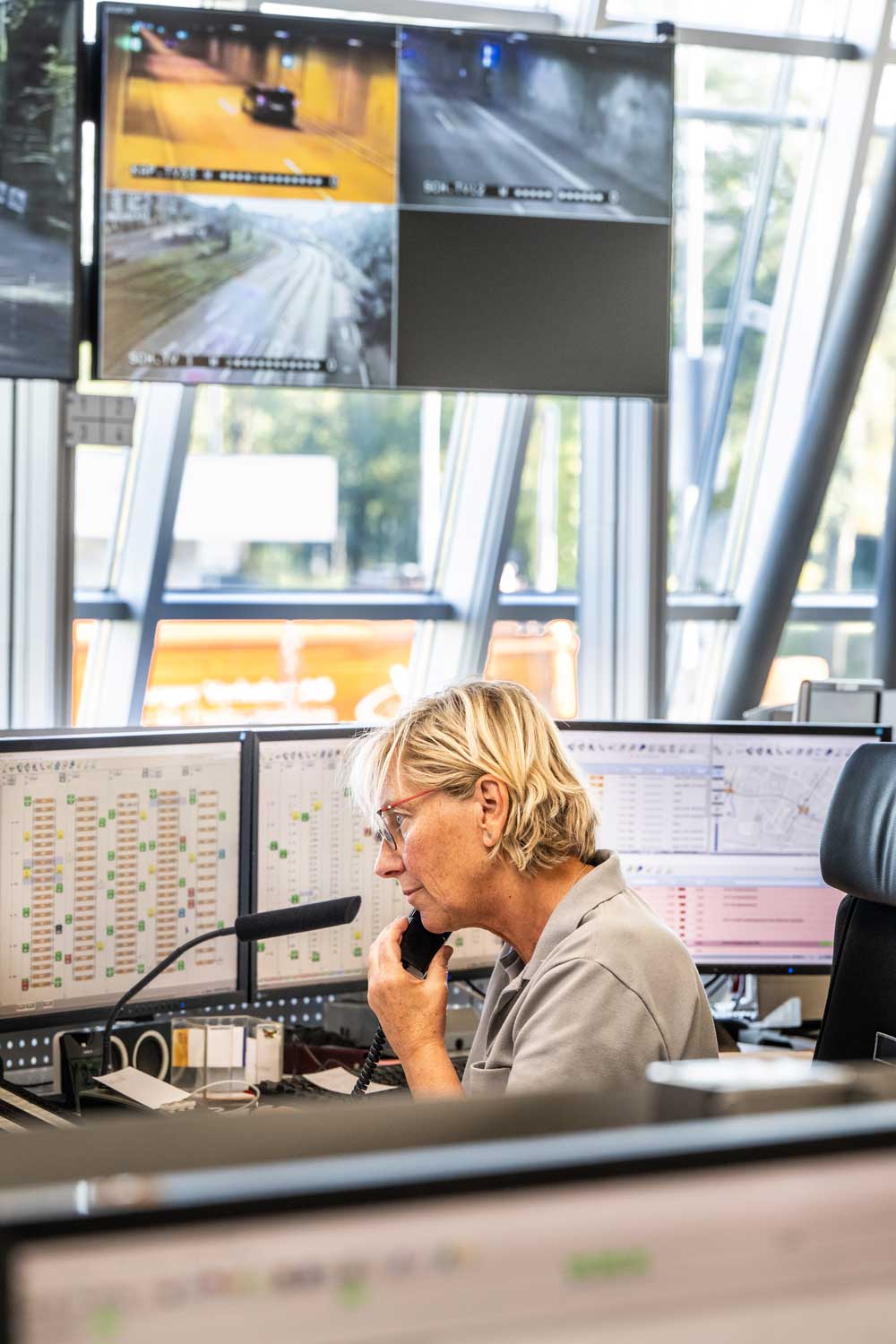
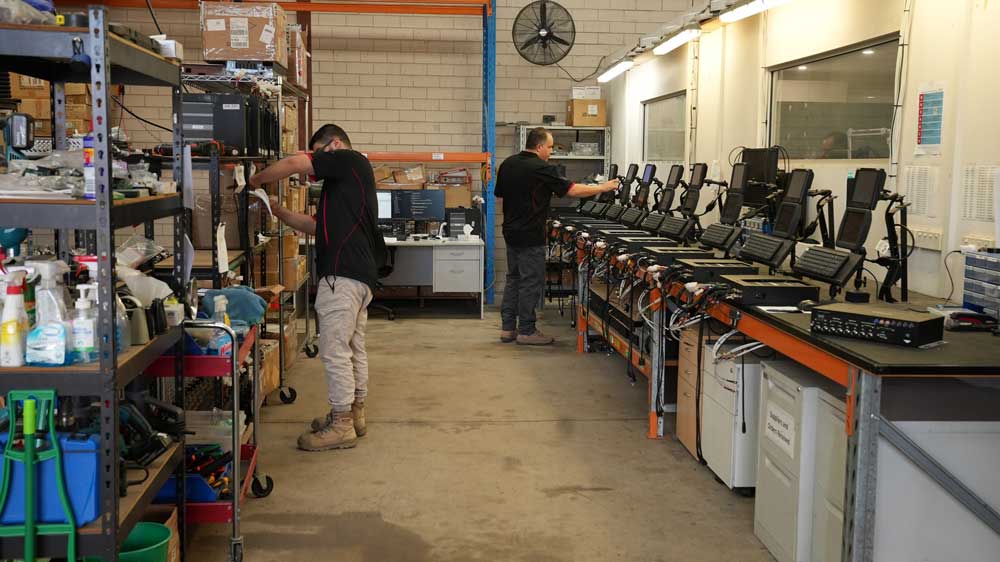
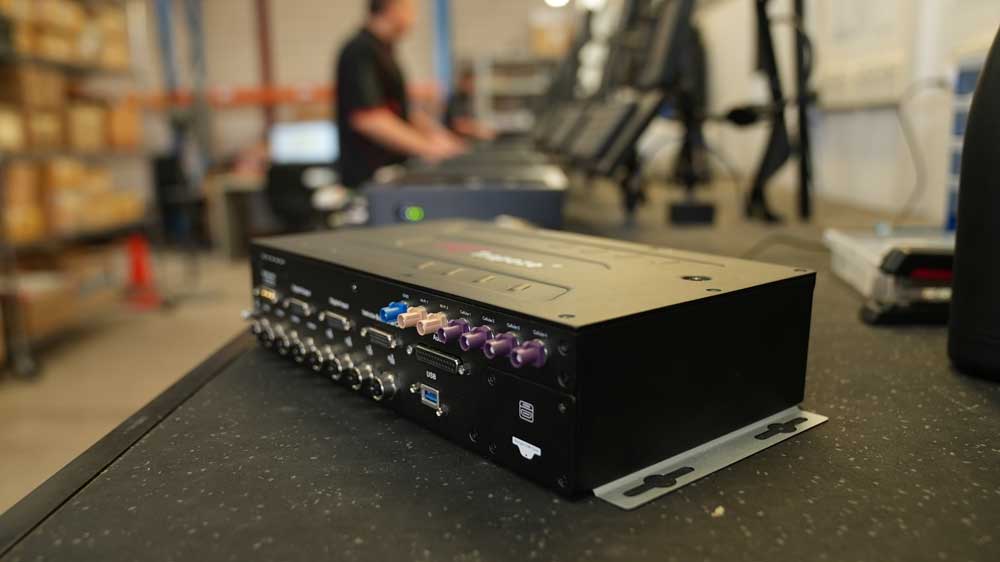
The project has already reached a key milestone, with contracts awarded to global transport technology providers INIT and Trapeze Group, who will deliver the system upgrades.
A Broader Investment in Public Transport
The Opal overhaul is part of a wider $77.8 billion investment in public transport infrastructure and services over four years, reflecting a shift toward improving everyday services such as buses and trains alongside major metro projects.
Premier Chris Minns said the upgrade focuses on making transport more reliable and affordable for families, while Transport Minister John Graham highlighted the long-awaited solution to inaccurate bus tracking.
A New Era for NSW Transport
With enhanced technology, improved reliability and better passenger information, Opal 2.0 is set to redefine how people move across New South Wales.
By combining innovation with everyday convenience, the upgrade aims to deliver a more connected, efficient and user-friendly transport network – ensuring public transport remains a practical choice for millions of commuters.