Qantas is exploring a major technology transformation that could reshape parts of its corporate operations, with early discussions underway about outsourcing up to 1,000 back-office roles to India as part of an artificial intelligence (AI)-driven modernisation strategy. The proposal, which remains under consideration, has sparked debate over the future of Australian jobs while highlighting the growing role of AI in global business operations.
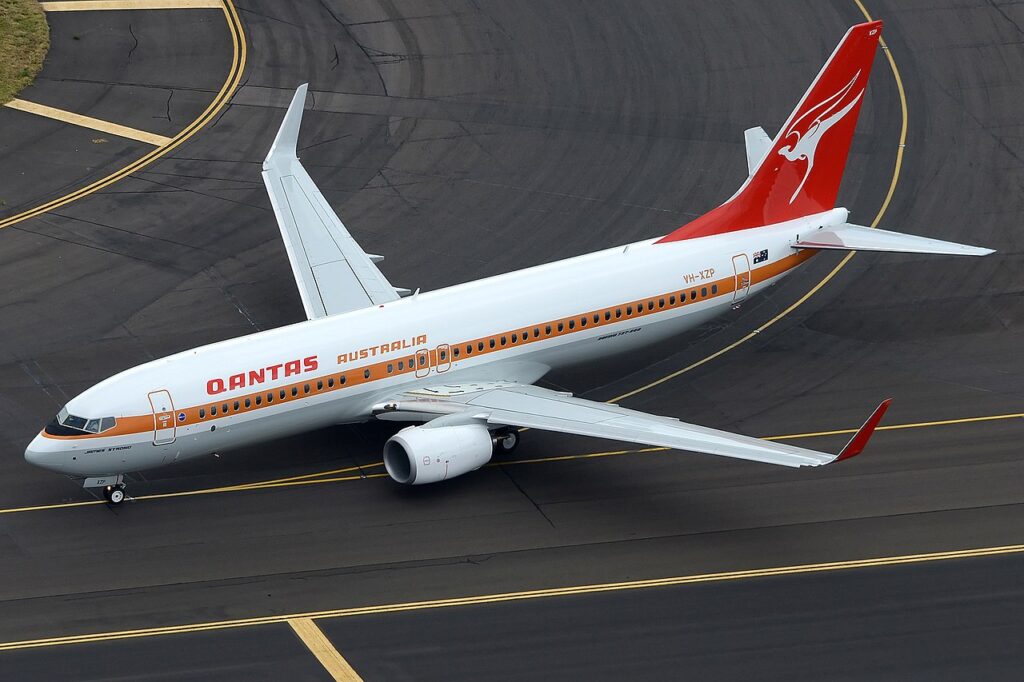
According to reports, the airline is in preliminary talks with global consulting firm Accenture to support its internal transformation initiative, known as Project iQ. The program aims to accelerate the use of AI and advanced technology across areas such as finance, marketing, human resources and other corporate support functions to improve efficiency and customer outcomes.
Qantas has stressed that no formal agreement has been signed and no final decisions have been made regarding the outsourcing proposal. A company spokesperson said the airline is exploring partnerships capable of helping modernise the business and enhance operational performance, emphasising that discussions remain at an early stage.
The transformation is being led by Qantas Chief Technology, AI and Transformation Officer Rachel Yangoyan, with support from Chief Executive Vanessa Hudson and Chief Financial Officer Rob Marcolina. Earlier this year, Hudson indicated that AI would play an increasingly important role in improving productivity, streamlining operations and creating long-term efficiencies across the airline rather than serving solely as a cost-cutting tool.
Reports suggest that if the proposal proceeds, a significant number of corporate support positions could be transferred to India, where many multinational companies operate large technology and business service centres. India has become a global hub for finance, IT and shared services because of its highly skilled workforce and well-established outsourcing industry, making it an attractive destination for international companies pursuing digital transformation.
The proposal has prompted concern from the Australian Services Union (ASU), which represents many affected employees. The union has questioned whether offshoring Australian jobs aligns with the airline’s commitments to its workforce and has called for urgent discussions with Qantas management. Union representatives argue that technology should complement employees rather than replace Australian-based roles and have expressed concerns about the potential impact on service quality and local employment.
The issue has also revived memories of Qantas’ previous outsourcing decisions during the COVID-19 pandemic. In recent years, the airline faced legal challenges over the outsourcing of ground handling operations, with courts ruling aspects of those decisions unlawful. While the current proposal relates to back-office functions rather than frontline operational staff, the earlier controversy has added to public and union scrutiny surrounding the company’s latest plans.

At the same time, Qantas points out that it continues to invest in Australia, including expanding operational teams, establishing a new technology hub in Adelaide and growing its workforce in several business areas. The airline maintains that AI and digital technologies are intended to improve customer experiences and strengthen long-term competitiveness while supporting future growth.
Industry analysts note that Qantas is not alone in reassessing its workforce as AI reshapes global business. Across sectors including aviation, banking and technology, organisations are increasingly reviewing how automation and offshore capability centres can improve efficiency while creating demand for more specialised digital skills. This shift reflects broader changes taking place in international labour markets rather than an isolated move by a single company.
For now, the proposal remains in its exploratory phase, and the final outcome will depend on ongoing consultations and business decisions in the coming months. Whether Project iQ ultimately leads to large-scale outsourcing or a different operational model, the discussions underline how artificial intelligence is becoming a defining factor in the future of work, prompting businesses, employees and policymakers to consider how technological innovation can be balanced with workforce stability and economic opportunity.