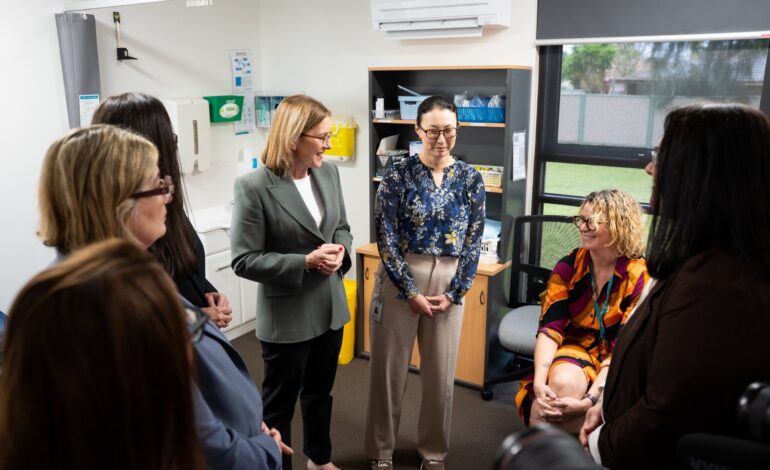
Thousands of children and young people escaping domestic and family violence are receiving specialised support through an expanded NSW Government program aimed at helping victim-survivors rebuild their lives in safe and stable environments. The Minns Labor Government says the initiative is helping address the long-term trauma experienced by children affected by violence at home.
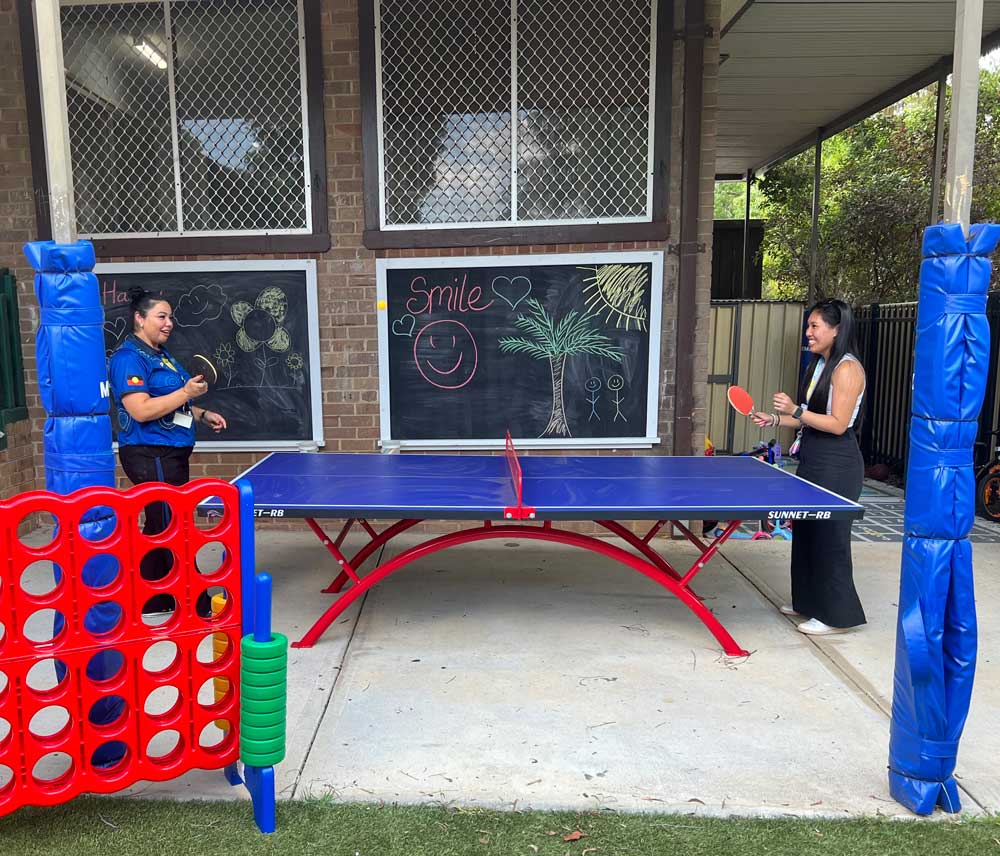
The Specialist Workers for Children and Young People (SWCYP) program, which began as a pilot initiative in 2022, has now expanded significantly following a $48.1 million investment from the NSW Government. The program currently supports around 1,800 children and young people across 80 local government areas, with many services operating in regional and rural communities.
Since its launch, more than 5,400 children, young people and their families have accessed support through the program. Across NSW, more than 55 specialist workers are now directly assisting children under 18 who are staying with their mothers in women’s refuges after fleeing domestic and family violence situations.
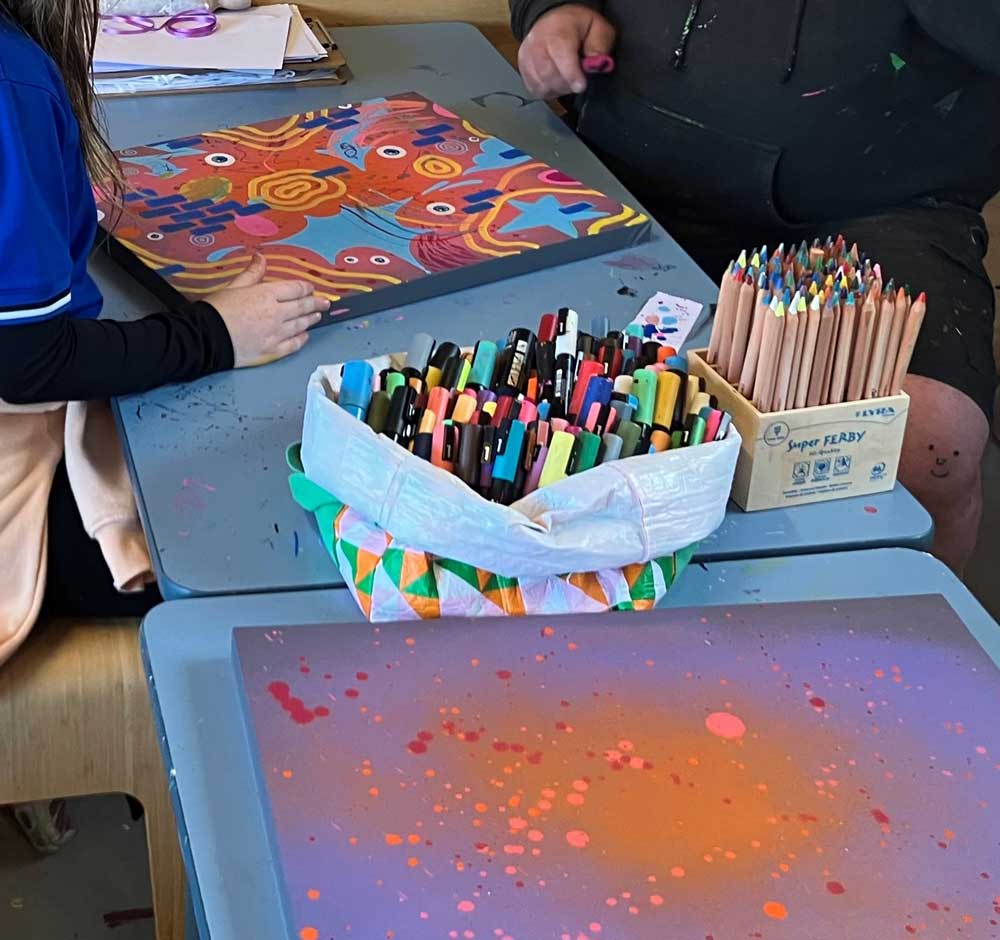
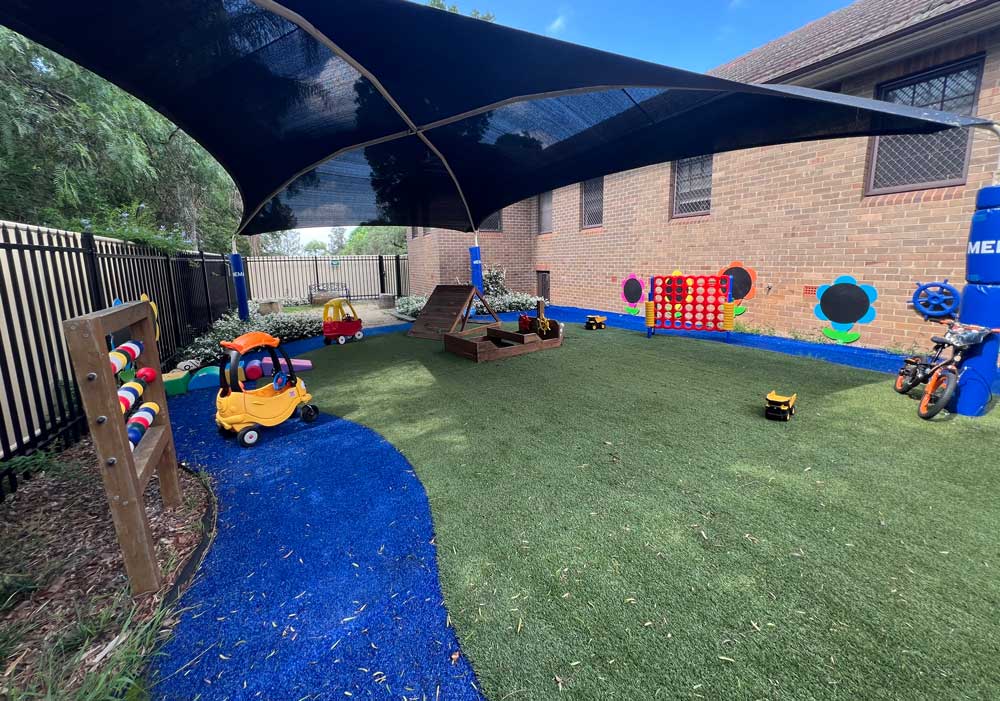
The program recognises children and young people as victim-survivors in their own right rather than simply witnesses to violence. Specialist workers provide trauma-informed, child-focused and culturally safe services tailored to the individual needs of each child, including mental health support, education assistance and recovery planning.
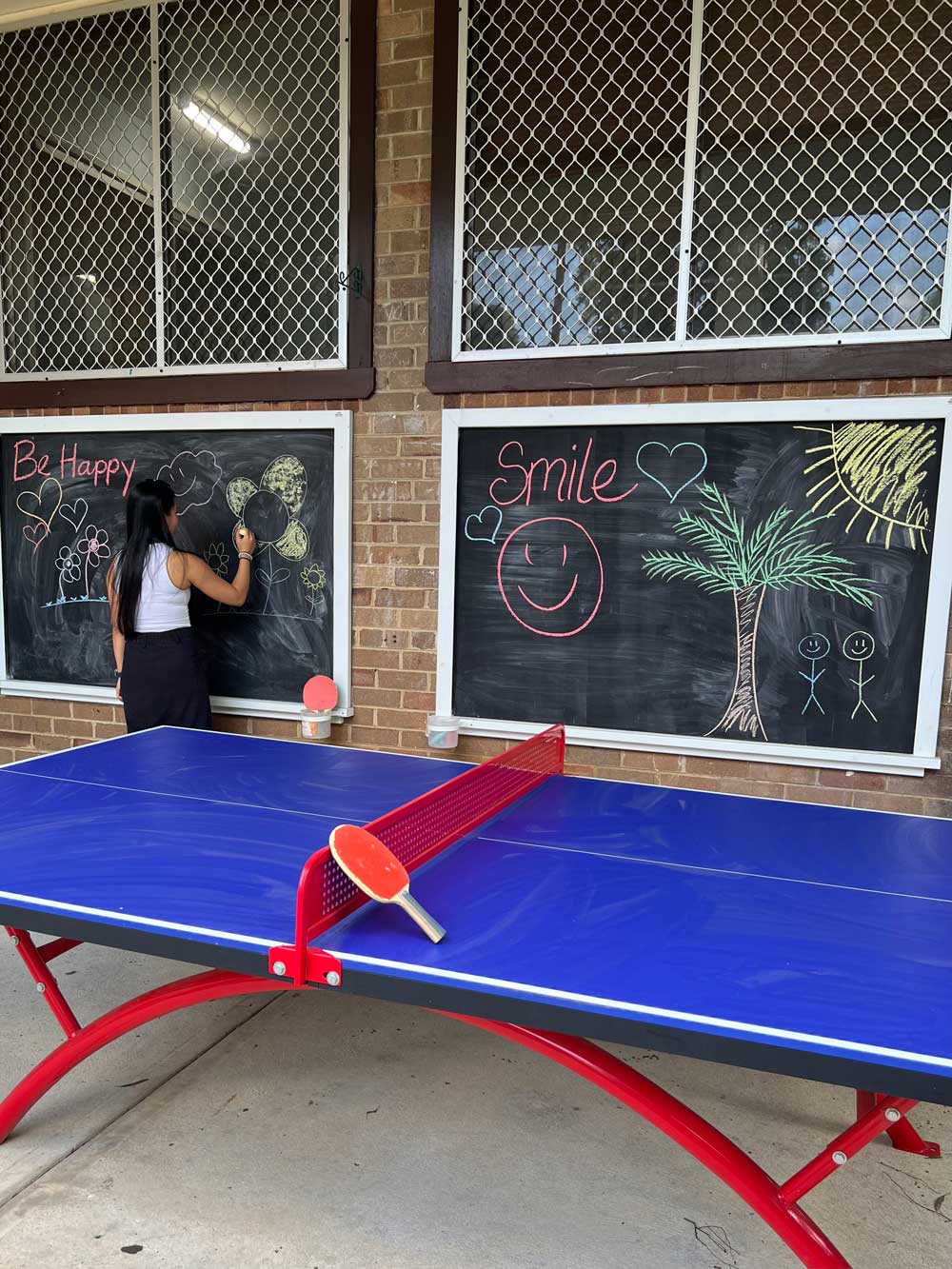
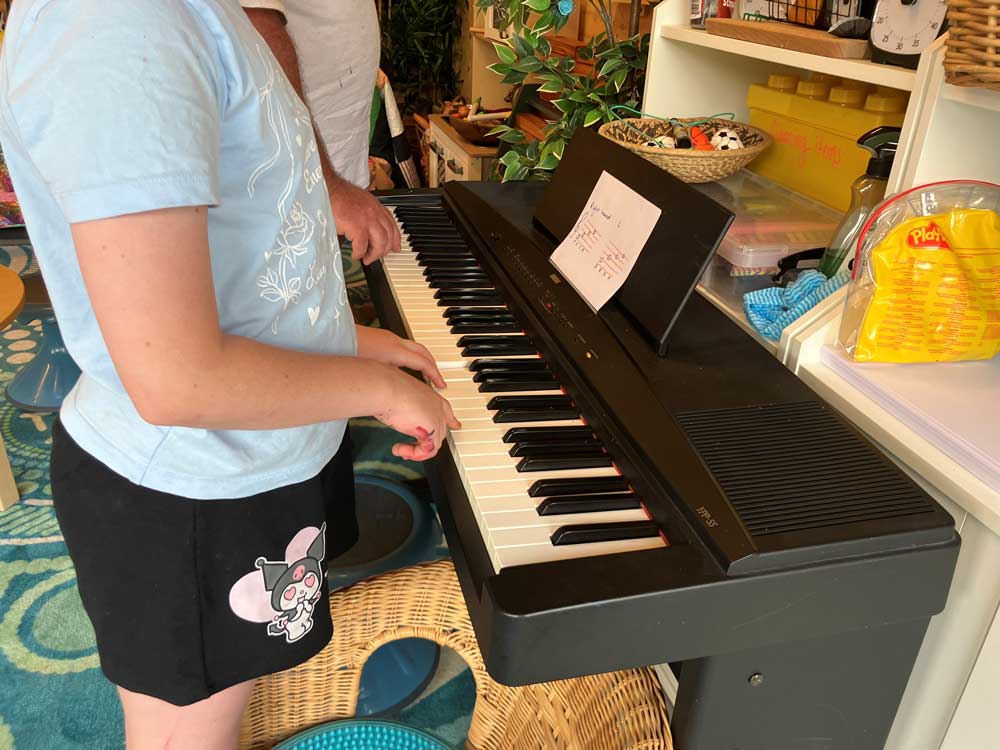
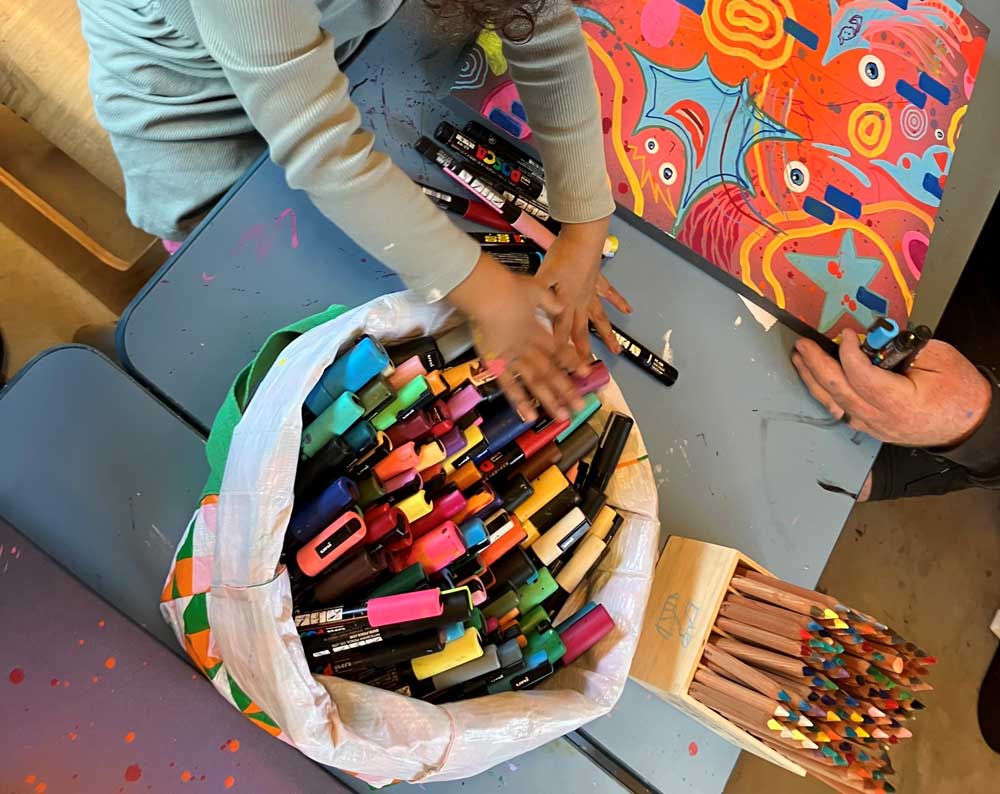
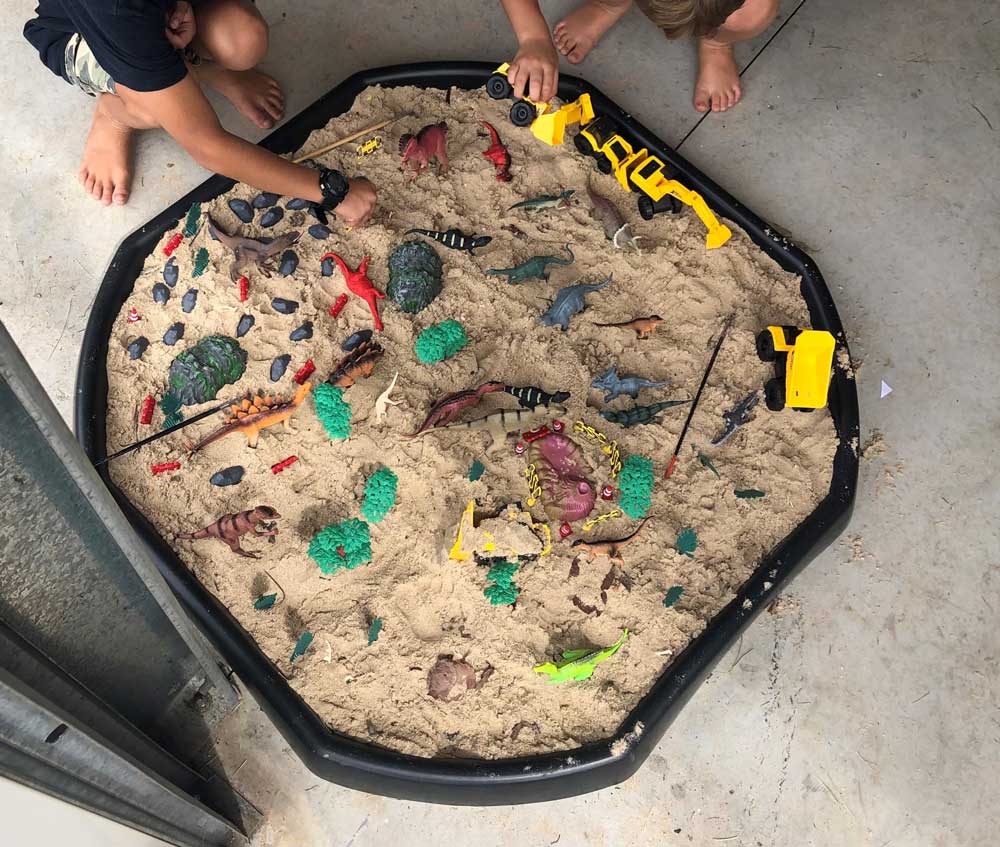
Support delivered through the program includes helping children reconnect with school, arranging medical care, assisting with disability services and creating recovery pathways through activities such as music, gardening and agriculture-based programs. Families are also supported with practical life skills and housing assistance during difficult transition periods.
One case study highlighted a mother and her four-year-old child in Campbelltown who fled domestic violence while facing unstable accommodation and developmental challenges. Through the SWCYP program, the family secured transitional housing, childcare support and an appropriate NDIS package, helping improve the child’s development, communication and social engagement.
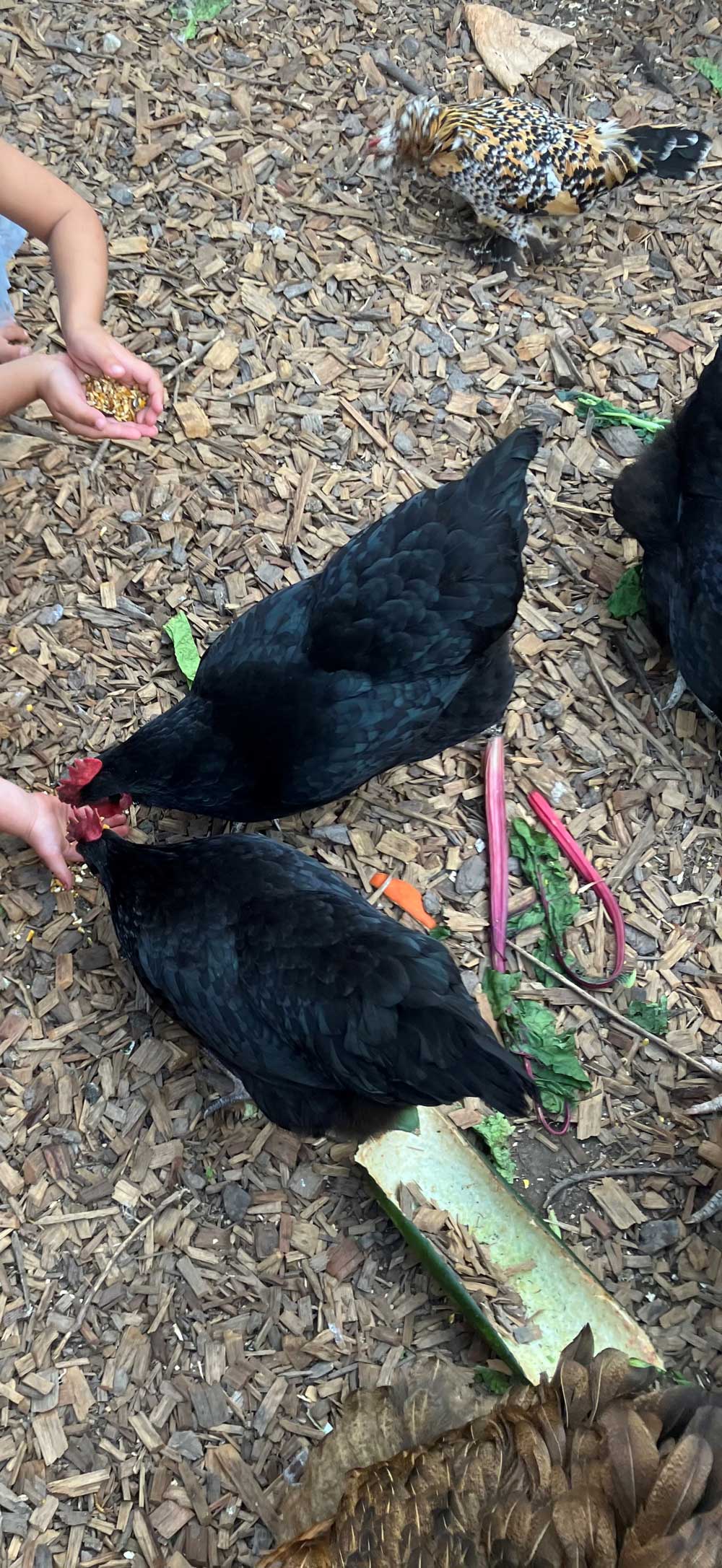
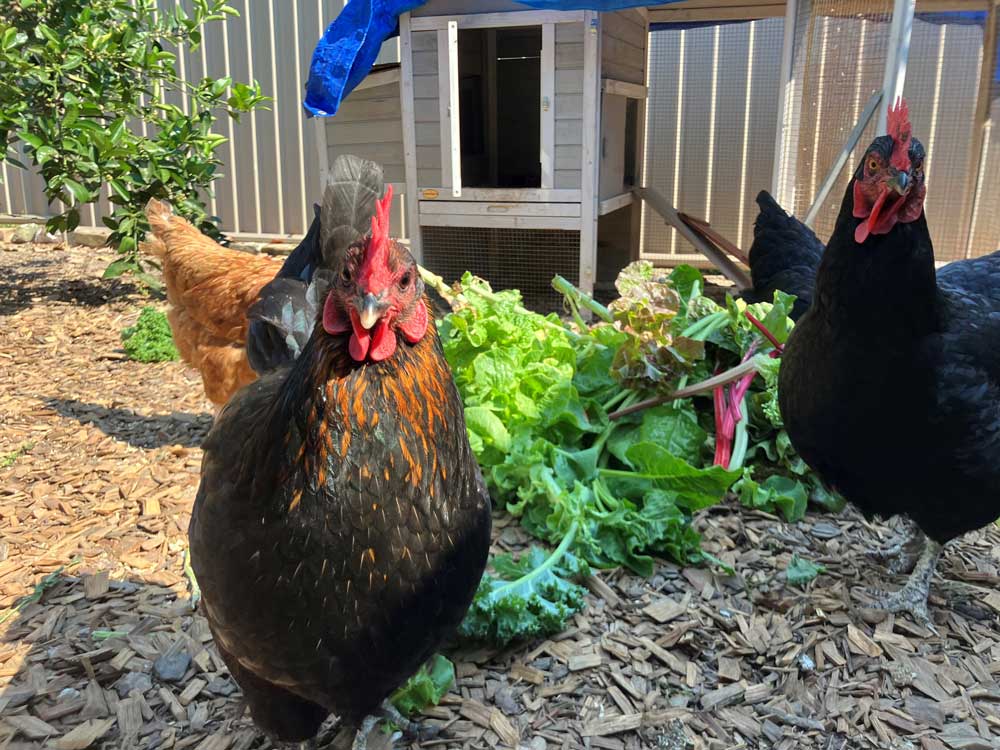
Another example from Coffs Harbour involved a five-year-old boy with autism, ADHD and hearing loss who arrived at a refuge with his family after escaping violence. Specialist workers helped establish stable routines, reconnect the family with disability support services and enrol the child in preschool, while therapeutic activities such as caring for animals and gardening supported his emotional recovery.

NSW Minister for Women and the Prevention of Domestic Violence and Sexual Assault Jodie Harrison said children impacted by domestic violence require specialised care and long-term support to heal from trauma. She described the program as an important step towards preventing future cycles of violence and helping young people rebuild safe and healthy futures.
An independent evaluation by the University of New South Wales found the SWCYP program filled a major service gap and contributed to improved outcomes in areas including mental health, education, social connection and family relationships. The NSW Government has confirmed the program will now be commissioned for another five years as part of its broader domestic violence prevention strategy.