Multicultural Health Week 2026 is placing physical activity at the centre of conversations about mental wellbeing, with the NSW Government encouraging people from diverse cultural backgrounds to incorporate more movement into their everyday lives. The statewide campaign runs from 31 August to 6 September and focuses on practical ways activity can support healthier minds and bodies.
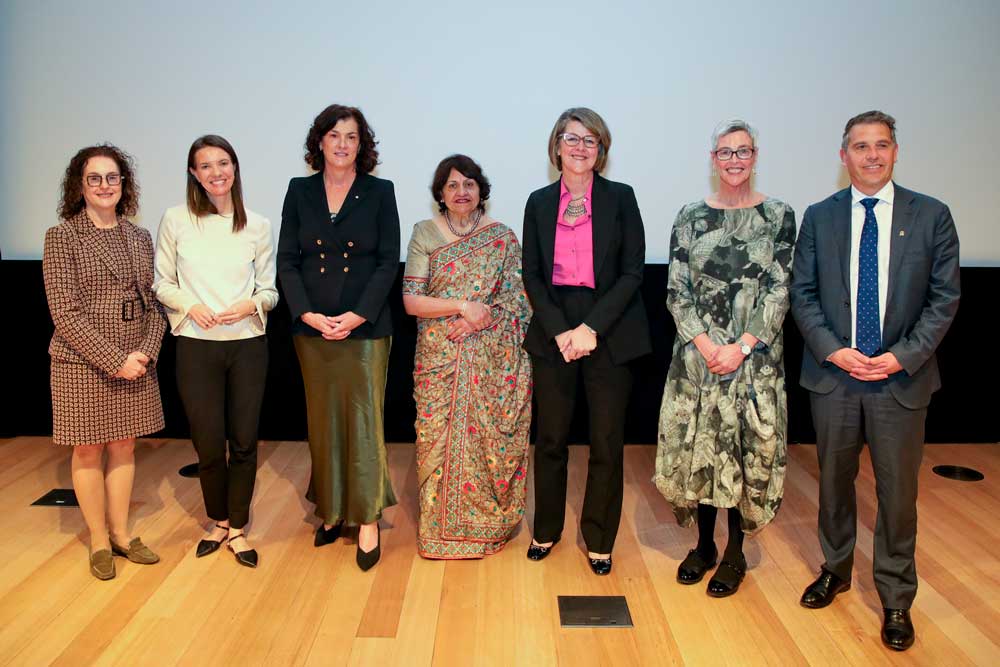
This year’s campaign theme is “Improving our mental health and wellbeing through physical activity”, highlighting the connection between regular movement and overall wellbeing. NSW Health Minister Ryan Park officially launched the 2026 initiative, encouraging people to find accessible activities that fit naturally into their routines and can also provide opportunities to spend time with family, friends and community.
Physical activity can contribute to improved energy, fitness, concentration, confidence, mood and sleep across different stages of life. Regular movement can also help people manage stress, anxiety and depression, while contributing to a lower risk of several chronic health conditions and some forms of cancer. Social activities can provide an additional benefit by helping people maintain meaningful connections.
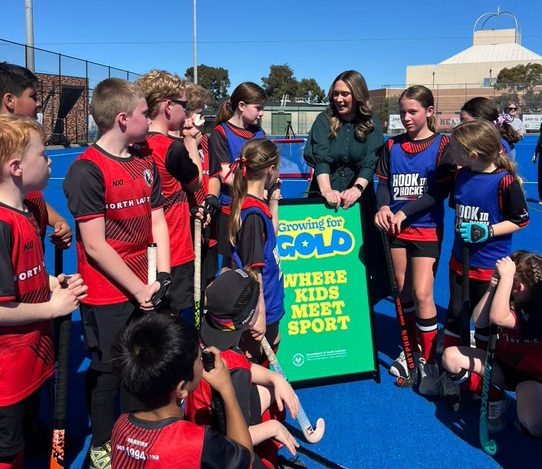
The campaign is encouraging people to choose activities they genuinely enjoy rather than viewing exercise as a chore. Options can include swimming, yoga, tai chi, cycling, dancing, sport or simply taking a brisk walk. Being active with family members and friends can make movement part of everyday social life while creating opportunities for stronger connections.
Nature also provides an accessible setting for staying active. NSW Health is encouraging people to consider activities such as walking through a local park, playing with a ball outdoors, swimming, gardening or spending time outside. Even small changes during the day, such as walking to nearby shops or a bus stop and taking regular breaks from sitting, can increase daily movement.
Sleep has also been included in the campaign’s broader approach to wellbeing. Adults are encouraged to maintain consistent sleeping routines and aim for seven to nine hours of sleep each night. Reducing excessive noise, heat and light in the bedroom and limiting screen use before bedtime are among the measures suggested to support better rest.
For adults, the guidance recommends approximately 30 minutes of moderate to vigorous physical activity on most days, with activities such as brisk walking, jogging, aquarobics and sport providing possible options. Adults are also encouraged to undertake muscle-strengthening activities on at least two days each week, supporting mobility, independence and physical strength as they grow older.

The 2026 campaign includes resources designed specifically to make health information more accessible to culturally and linguistically diverse communities. Materials include a promotional video with subtitles in seven languages, a factsheet available in 41 languages, and campaign posters and social media resources in 16 languages. An event toolkit is also available for community groups, schools, workplaces and local organisations.
NSW Minister for Multiculturalism Steve Kamper said the campaign provides an opportunity to improve health outcomes across the state’s diverse population. He emphasised the importance of making health information understandable and relevant to people from different cultural and linguistic backgrounds, while recognising that physical activity can support both wellbeing and community connection.
Mental Health Minister Rose Jackson highlighted the different ways mental health may be understood and discussed across cultures. She noted that stigma, language barriers, cultural expectations and questions surrounding identity and belonging can affect how people seek support, making culturally appropriate approaches particularly important when discussing mental wellbeing.
NSW Health Secretary Susan Pearce AM pointed to existing health initiatives, including the Get Healthy Service, which supports people with healthy eating, physical activity and broader wellbeing. She said NSW Health wants to help communities maintain good health by encouraging habits that benefit both physical and mental health throughout life.
The campaign also draws attention to the relationship between movement and cancer prevention and recovery. NSW Chief Cancer Officer and Cancer Institute NSW CEO Professor Tracey O’Brien AM said physical activity can have value throughout the cancer journey, including supporting recovery, managing treatment-related effects and contributing to physical and mental wellbeing.
The NSW Multicultural Health Communication Service (MHCS) is working with NSW Health and the Cancer Institute NSW to deliver the campaign across multicultural communities. Director Lisa Woodland said the initiative aims to communicate health messages in ways that are meaningful and relevant, including engaging younger people through collaboration with the Prevention Education and Research Unit.
People across NSW are also being encouraged to share their own experiences of how physical activity has influenced their mental health and wellbeing. Personal stories can help demonstrate that staying active does not necessarily require expensive equipment, formal training or major lifestyle changes, and that simple everyday movement can become part of a healthier routine.
With information available across multiple languages and resources designed for use in community settings, Multicultural Health Week 2026 aims to ensure that culturally diverse communities can access practical health guidance. The initiative places emphasis on achievable steps, social connection and culturally relevant communication as part of a broader approach to supporting mental and physical wellbeing.
The campaign runs until 6 September, with residents encouraged to explore the available resources and consider ways to introduce more movement into their daily lives. From walking and gardening to sport, swimming or dancing, the message is that regular activity can be a practical part of looking after both physical health and mental wellbeing.