Motorists across New South Wales can now claim toll relief under a reduced weekly cap of $50, with the state government expecting up to 200,000 additional drivers and riders to become eligible for rebates under the revised scheme.

The Minns Labor Government lowered the weekly toll cap from $60 to $50 in July 2026 for a 12-month period, aiming to ease transport costs amid rising fuel prices and broader cost-of-living pressures. Eligible motorists can now submit claims for toll expenses incurred between 6 July and 4 October 2026.
According to the NSW Government, motorists who already claim toll relief regularly could receive an additional $520 over the year following the reduction. The government estimates that $99 million in toll relief is available to be claimed for the latest quarter, compared with $73 million under the previous $60 weekly cap.
Since the toll cap scheme began in 2024, more than 1,079,788 claims have been processed, returning approximately $348 million to NSW households. The latest changes are expected to extend eligibility to another 200,000 toll accounts, broadening access to the financial assistance.
Western Sydney Motorists Among the Main Beneficiaries
Western Sydney continues to account for more than half of all toll relief claims, according to the government announcement. Suburbs identified among those benefiting most from rebates include Blacktown, Baulkham Hills, Auburn, Merrylands, Castle Hill and Quakers Hill.
For many residents who rely on toll roads to travel to work, take children to school or meet other daily commitments, the lower cap could provide additional savings. The government says the measure is intended to help households manage transport expenses at a time when fuel and other essential costs remain a concern.
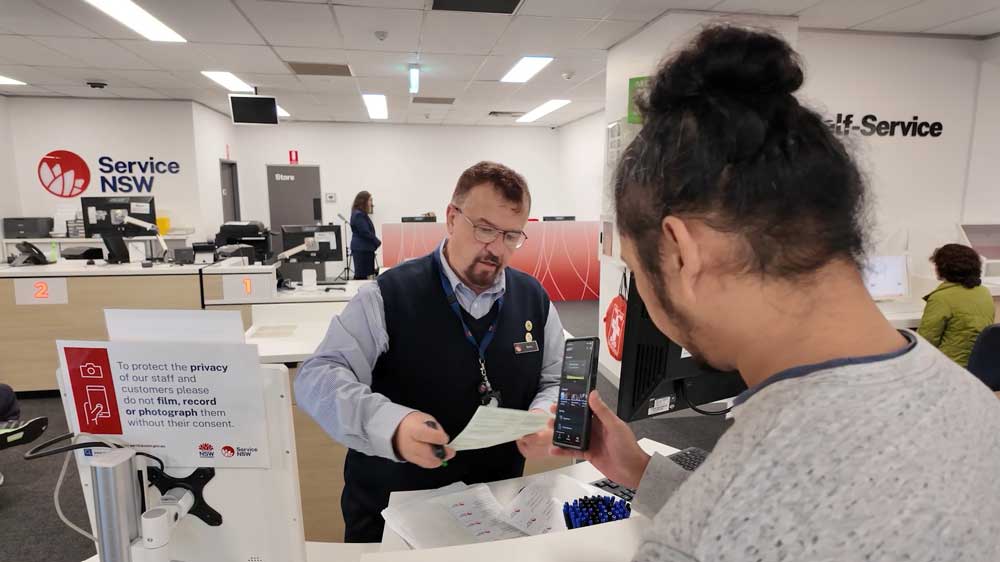
Eligible motorists who spent more than $50 per week on tolls during the claim period from 6 July to 4 October 2026 can lodge a claim through Service NSW. Drivers can check the scheme’s eligibility requirements and application process on the official Service NSW website.

Government Outlines Broader Transport Cost Measures
The reduced toll cap forms part of a wider package of measures intended to lower the cost of getting around NSW. Other initiatives outlined by the government include discounts of up to $100 on eligible vehicle registrations, the removal of toll administration fees and a 12-month freeze on Opal fares.
The government has also referred to an agreement with toll operators aimed at reducing toll prices. Together, these measures are intended to provide financial assistance to households that drive, use toll roads or rely on public transport.
NSW Premier Chris Minns said the lower cap was intended to return money to motorists who regularly depend on toll roads, particularly in Western Sydney. He acknowledged that the measure would not resolve every cost-of-living challenge but said it could provide practical support for household budgets.
Transport Minister John Graham said the revised cap was designed to assist motorists affected by rising fuel costs and noted that $348 million had been returned to drivers through the scheme since its introduction. He encouraged eligible motorists to claim the available relief.
Minister for Customer Service and Digital Government Jihad Dib also urged drivers to use Service NSW to submit claims, highlighting the potential for rebates to help cover everyday household expenses.
Roads Minister Jenny Aitchison said the government remained focused on reducing travel costs, pointing to the lower weekly toll cap and vehicle registration discounts as part of its broader support package.
With the latest claims period now open, eligible drivers are being encouraged to review their toll spending and check whether they qualify for rebates. The government expects the reduced cap to widen access to relief and provide additional savings for households across the state.