Sydney Olympic Park has recorded its highest annual visitation since the precinct was transformed for the 2000 Sydney Olympics, with 12.3 million visits recorded during the 2025–26 financial year.
The latest figure represents a 2.5 per cent increase on the previous year and highlights the growing role of Sydney Olympic Park as a destination for major sporting events, entertainment, recreation, nature and community activities. The precinct had previously recorded 12 million visitors in 2024–25.
The record comes more than two decades after the Sydney 2000 Olympic and Paralympic Games, when the area became internationally recognised as one of Australia’s major sporting precincts. Today, its 430 hectares of parklands and extensive public facilities attract millions of visitors for reasons extending well beyond major events.
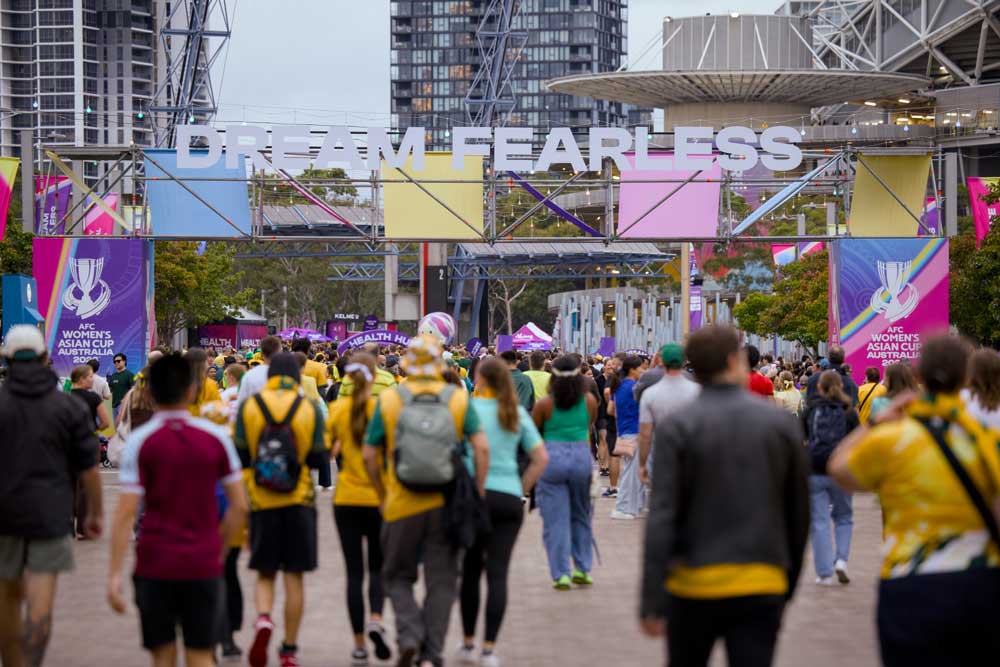
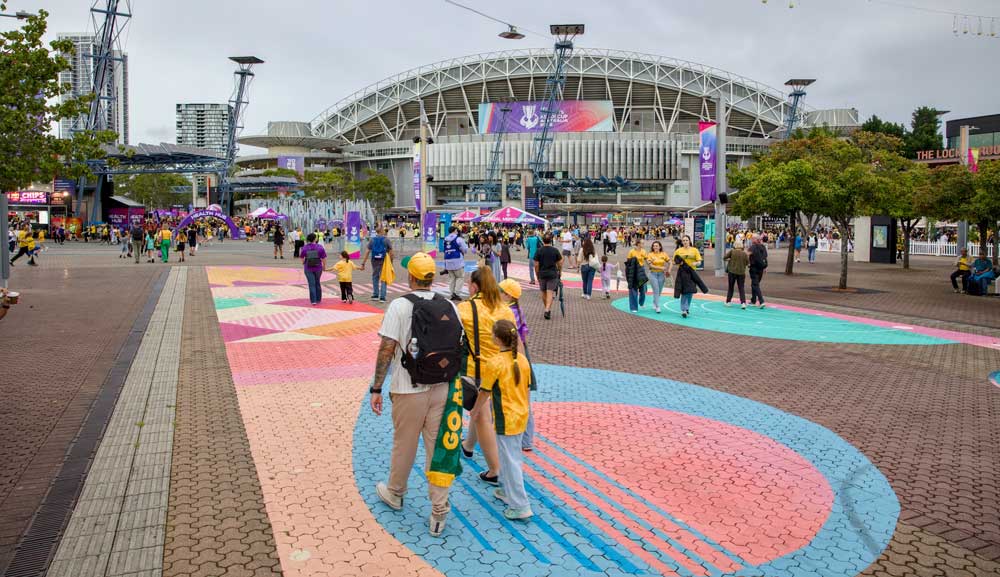
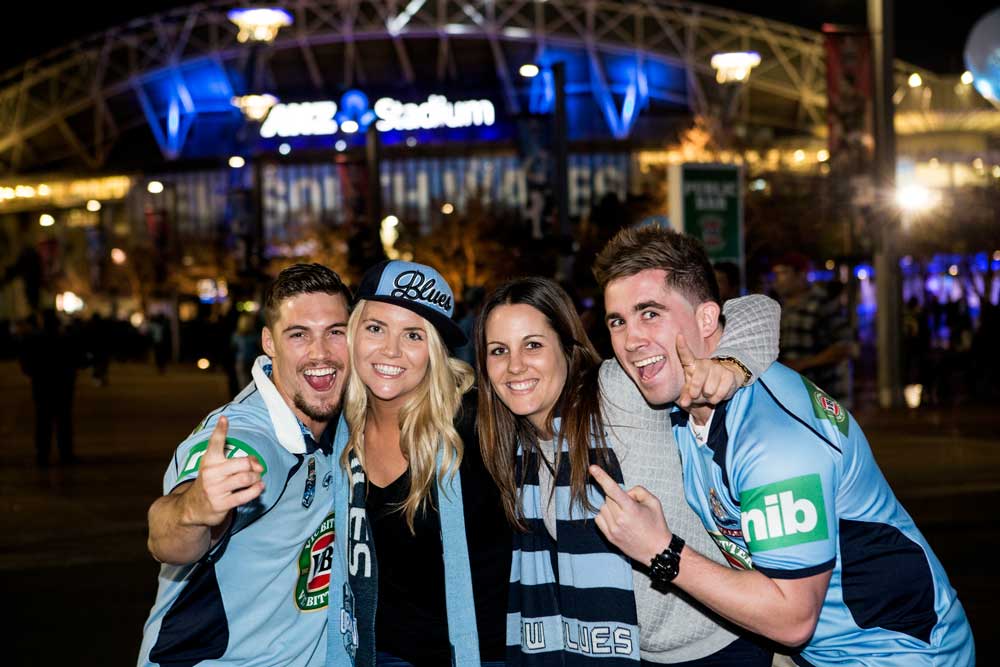
Sporting attendance was a major contributor to the latest increase, with approximately 310,000 additional sporting visits recorded during the year. That represents an 18 per cent rise, supported by major events including the AFC Women’s Asian Cup and a strong NRL season.
The NRL season alone produced particularly large crowds, with 16 matches attracting more than 30,000 spectators each, compared with 10 such matches during the previous year. The figures underline the precinct’s continuing importance as a major destination for sporting events in Western Sydney.
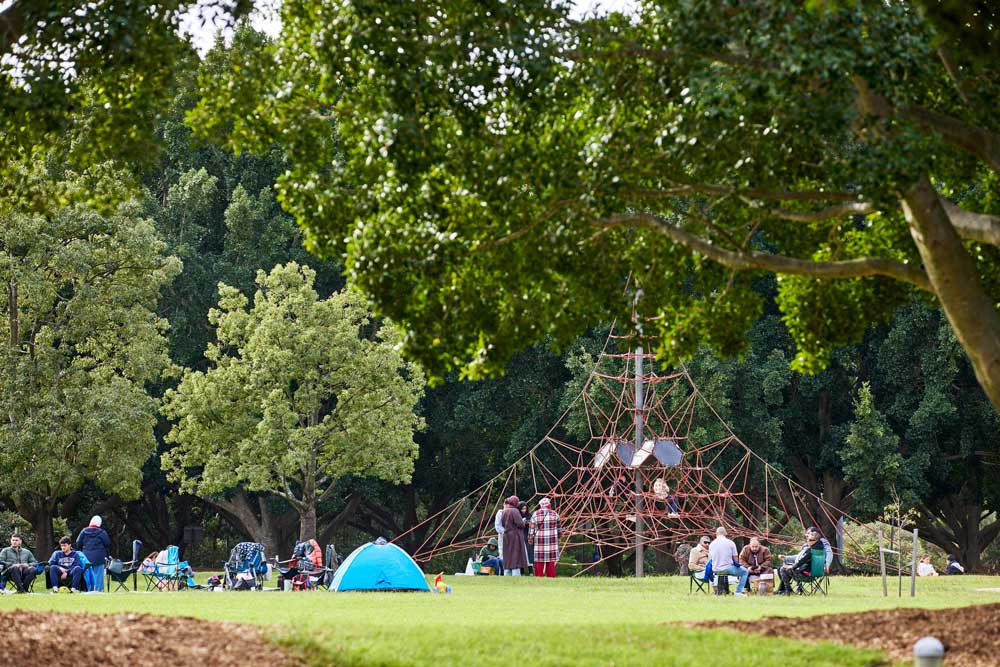
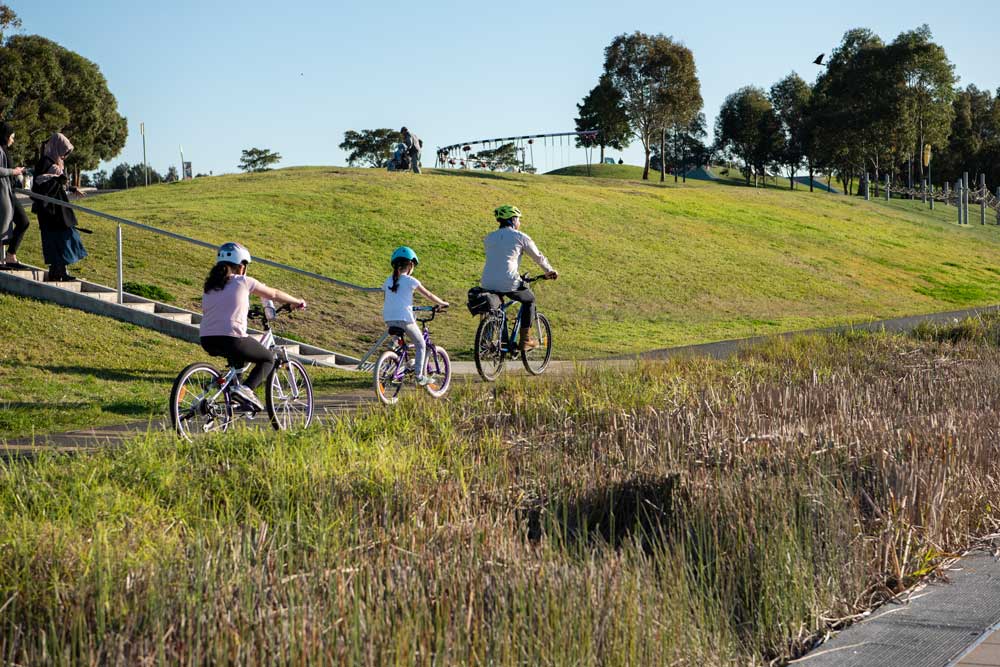
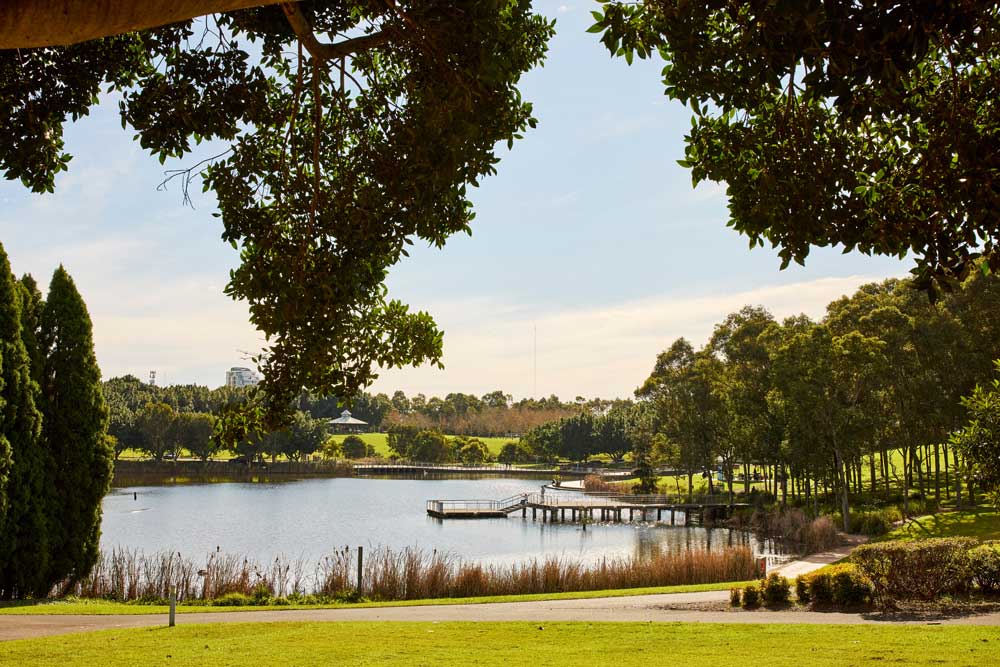
At the same time, Sydney Olympic Park’s parklands continued to attract visitors outside the major-event calendar. Parklands visitation increased by around 60,000 people, or two per cent, as families, walkers, cyclists and nature enthusiasts made use of the precinct’s wetlands, open spaces, playgrounds and trails.
The combination of major venues and extensive natural areas has become one of Sydney Olympic Park’s defining characteristics. Its parklands were created as a major legacy of the 2000 Games and now serve as both a local recreational resource and a significant destination for visitors from across Sydney.

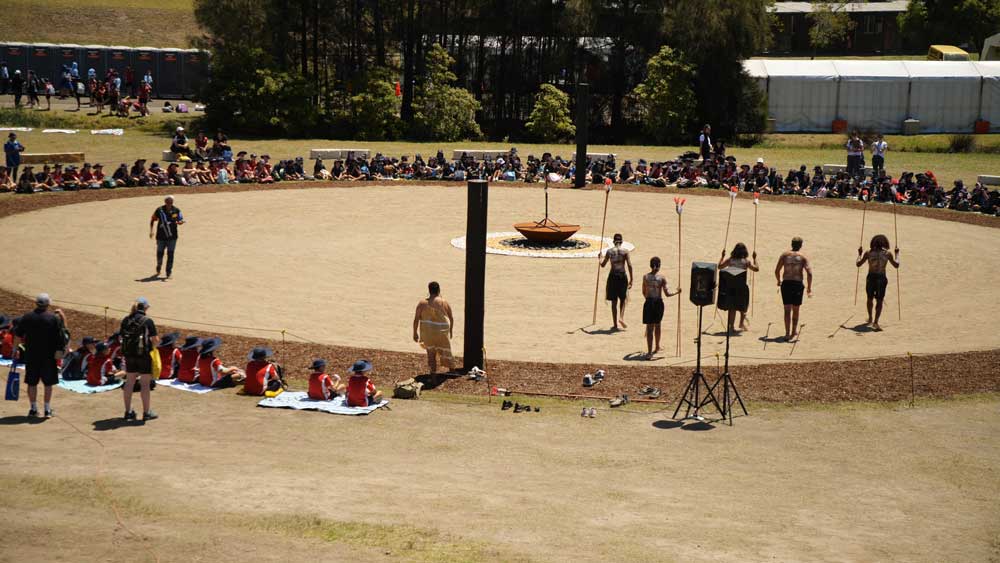
Among the experiences available to visitors is the Badu Mangrove Boardwalk, which provides access to one of Sydney’s largest remaining mangrove forests. The precinct also includes the Murama Healing Space, featuring the Murama Dance Ground and Healing Circle, offering visitors an opportunity to engage with First Nations culture and the landscape.
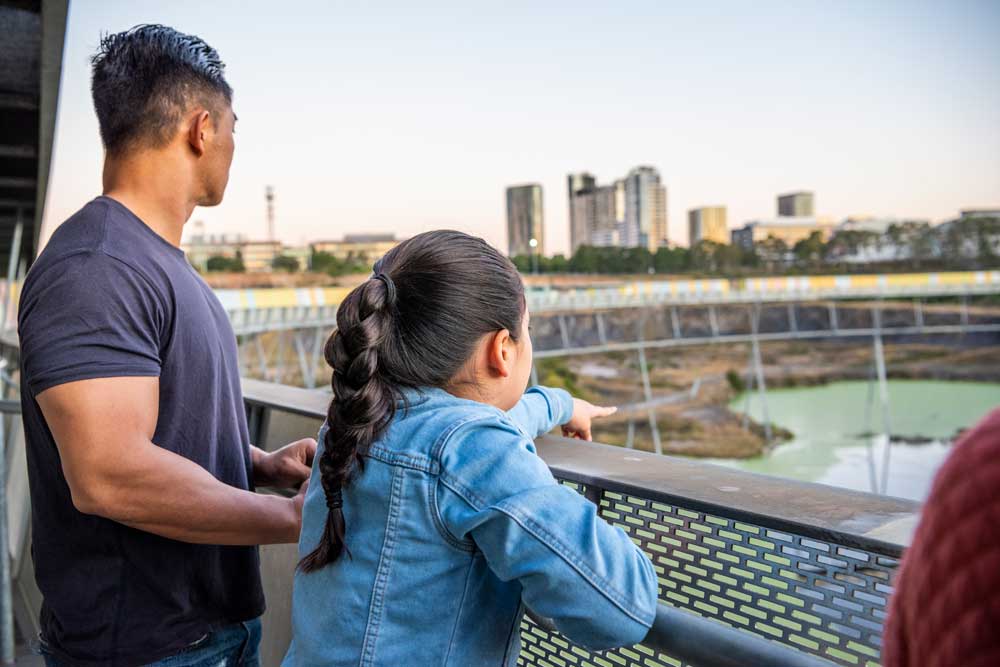
The Brickpit Ring Walk provides another distinctive experience, with its 550-metre elevated pathway overlooking habitat for the endangered Green and Golden Bell Frog. The Park also has extensive running and cycling routes, including a popular five-kilometre circuit, alongside picnic areas, playgrounds, wetlands, bird hides and viewing platforms.
NSW Minister for Planning and Public Spaces Paul Scully said the visitation figures demonstrated the importance of investing in public spaces that provide opportunities for recreation, community connection and access to nature.
Minister for Sport Steve Kamper said the growing crowds also reflected Sydney Olympic Park’s position as a major sporting and entertainment destination. He pointed to the AFC Women’s Asian Cup and the NRL season as examples of events drawing increasingly large audiences to Western Sydney.
The latest figures come as Western Sydney continues to strengthen its position within Sydney’s visitor economy. NSW recorded 130.6 million domestic and international visitors in the year to June 2026, with total visitor expenditure reaching a record $62.9 billion.
Sydney Olympic Park is also preparing for further transport and precinct investment. In September 2026, the NSW Government announced the construction contract for the new Sydney Olympic Park metro station and surrounding development, with the station designed to accommodate major event crowds and facilitate around 25,000 passenger movements per hour.
Member for Parramatta Donna Davis described Sydney Olympic Park as an important Western Sydney asset, highlighting the range of experiences available across the precinct, from its natural areas and cultural spaces to major sporting events.
Sydney Olympic Park Authority Acting Chief Executive Officer Chris Martin said the growth across both events and parklands was particularly encouraging. He noted that visitors were increasingly using the precinct for exercise, time in nature, family activities and free outdoor experiences rather than visiting only for major events.
The latest record suggests Sydney Olympic Park is continuing to evolve beyond its original Olympic identity. Its combination of international sporting venues, entertainment facilities, restaurants, open space, wetlands and recreational infrastructure is attracting visitors throughout the year.
With spring and warmer weather encouraging more outdoor activity, the precinct is expected to remain a popular destination for families, local residents, sporting fans and visitors looking for accessible green space within metropolitan Sydney.